Home Remodeling Process in St. Petersburg: Your Complete Planning Guide

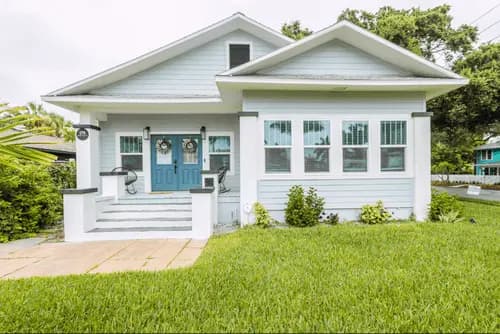
Planning a home remodel in St. Petersburg is one of the most exciting decisions you can make as a homeowner. It is also one of the most complex. Between setting a realistic budget, choosing the right contractor, pulling permits, and surviving the construction process itself, there are a lot of moving pieces to manage.
This guide walks you through every step of the home remodeling process, from defining your goals all the way to the final walkthrough. Whether you are considering a kitchen renovation, a bathroom upgrade, a home addition, or a whole-home transformation, these ten steps will help you stay organized, avoid costly surprises, and get the results you have been dreaming about. Most reputable Pinellas County GCs run a recognizable version of this process — pre-construction phase, permits, demo, MEPs, finishes, walkthrough — so the steps below also help you spot a contractor whose process is missing pieces.
Step 1 — Define Your Goals and Create a Renovation Wishlist
Before you spend a dollar or call a single contractor, take time to clarify exactly what you want out of this project. Are you focused on improving daily functionality, updating outdated aesthetics, boosting energy efficiency, or increasing your property's resale value? Your answer shapes every decision that follows.
Whether you are renovating a 1920s bungalow in Old Northeast or updating a waterfront condo in Tierra Verde, the first step is the same: get your vision down on paper.
Create a Vision Board
Start by collecting images and ideas that represent the look, feel, and functionality you want. Pinterest boards, Houzz collections, and even a simple folder of saved photos on your phone can serve as a digital vision board. This visual reference makes it much easier to communicate your ideas to contractors down the road. Include everything from color palettes and materials to layout concepts and fixture styles.
Prioritize Your Projects
Most homeowners want to change everything at once, and that is understandable. But a successful remodel starts with honest prioritization. Before you go any further, ask yourself these questions:
- Which rooms or areas are you going to remodel?
- If you are planning a whole-home renovation, which room is the top priority?
- Are there any tasks you can realistically handle yourself?
- Which parts of the project require a licensed contractor?
Write your answers down. This draft becomes your renovation wishlist, and it gives your project a clear starting point. Once completed, you will have a focused list of objectives instead of a vague desire to "fix up the house."
Step 2 — Set a Realistic Budget
Home remodeling is a significant financial investment, and it is easy to overshoot your budget without a clear plan. Once you know what you want, the next step is figuring out what you can afford.
Research Local Costs
Material and labor costs in the Tampa Bay area fluctuate seasonally, and prices you find online may not reflect what contractors in Pinellas County actually charge. Start by researching local pricing for the type of work you need. Talk to multiple contractors to get a range of estimates. Consider the hidden costs that homeowners often overlook, like meals out when your kitchen is torn apart or temporary storage for furniture during construction.
Keep in mind that the cost of materials today will not be the same a few months from now. Lumber, tile, fixtures, and appliances all experience price shifts depending on supply chain conditions and demand. Locking in material selections early with your contractor can help protect your budget.
Plan for Unexpected Expenses
No matter how carefully you plan, surprises happen. Hidden water damage behind walls, outdated electrical wiring, mold, or broken pipes are all common discoveries once demolition starts. In older St. Pete homes — the 1920s bungalows of Old Northeast, post-war Snell Isle ranches, mid-century Crescent Lake homes, waterfront cottages in Shore Acres — cast iron plumbing replacement is one of the most common and most expensive surprises. Set aside a contingency fund of 10 to 15 percent of your total budget specifically for the unexpected. On a $120K Pinellas County remodel that's $12K-$18K of cushion, separate from the contractor's markup. (Speaking of markup, see our pricing page for how Revolution charges 30% on labor and 15% on materials, transparent on every line item — that's the open-book number, separate from your contingency.) This buffer gives you flexibility without derailing the entire project when something comes up.
Step 3 — Do Your Research
Before committing to specific materials, finishes, or design choices, invest time in research. Explore current design trends, material options, and architectural styles that complement your home and neighborhood. Browse showrooms, visit home improvement stores, and look at what other homeowners in your area have done.
For inspiration, browse our completed projects to see real renovations we have delivered across St. Petersburg and Pinellas County.
One important note: choose timeless over trendy. The latest design fads change every few years, but classic, well-executed choices remain appealing for decades. A classy, versatile design will also keep your home competitive if you ever decide to sell. Discuss your ideas with your contractor to get honest feedback on what will hold up over time versus what might feel dated in a few years.
Step 4 — Hire the Right Contractor
Choosing the right contractor is arguably the single most important decision in the entire remodeling process. A skilled, experienced general contractor with W-2 carpenters on payroll and a real superintendent on every job can turn your vision into reality. A paper contractor who runs the job through a stack of trade handoffs without any in-shop labor can turn it into a nightmare. Before signing anything, understand the difference between time-and-materials and fixed-price contracts; the contract type largely determines whether your budget stays transparent or gets buried in padding.
What to Look For
When evaluating contractors, focus on these essentials:
- How many years of experience do they have with projects like yours?
- Do they hold a valid, up-to-date Florida state contracting license?
- What does their liability insurance cover, and is it current?
- What do past clients say in reviews and references?
- Are they willing to provide a detailed, written cost estimate?
In Pinellas County, verify your contractor holds a valid Florida state license through the Department of Business and Professional Regulation. Ask about their insurance policy and whether they carry workers' compensation coverage. A reputable contractor will be transparent about all of this without hesitation.
Interview Multiple Contractors
Do not hire the first contractor you talk to. Get recommendations from friends, family, and neighbors, and read online reviews. Interview at least two or three professionals. Ask each one for references from recent projects, a full cost estimate, and a projected timeline. Compare not just price, but communication style, professionalism, and how well they seem to understand your goals.
Local contractors are often the best choice because they understand the specific building codes (Florida Building Code 2026 7th edition + Pinellas County local amendments), suppliers, and subcontractor networks in your area. Their familiarity with the St. Petersburg permit portal, the Old Northeast historic review board, FEMA flood-zone rules in Shore Acres or Tierra Verde, and the actual fee schedule at the city building department can save you time and money. For more on what a Pinellas-rooted process actually looks like end-to-end, see our process overview. Contact Revolution Contractors for a free consultation to discuss your project.
Step 5 — Understand Permits and Local Regulations
Permits are not optional, and skipping them can lead to fines, forced removal of completed work, and serious headaches when you try to sell your home. In Florida, most renovation projects that involve electrical work, plumbing changes, or structural modifications require a building permit.
In St. Petersburg, the city building department oversees permits and inspections through an online portal that contractors have to set up — that takes a few days at the front end. If your property is in a historic district (Old Northeast, Roser Park, Granada Terrace, Round Lake), there may be additional Certificate of Appropriateness review by the City Preservation Commission. If your home is in a FEMA flood zone (AE, VE, X-shaded — Shore Acres, Snell Isle, Venetian Isles, Tierra Verde, Bahama Shores all have substantial FEMA-mapped acreage), the 50% rule on substantial improvements can change scope mid-project. HOA communities throughout Pinellas County often have their own approval process on top of city permits, including restrictions on exterior colors, materials, and even construction hours.
The good news: a qualified general contractor handles the permitting process on your behalf. They open the city portal, file the notice of commencement, prepare the application against Florida Building Code 2026 7th edition requirements, and schedule inspections at the right time so your project stays on track. When you are interviewing contractors, ask specifically whether they manage permitting as part of their scope of work and whether they have an existing relationship with the St. Petersburg building department staff.
Step 6 — Create a Detailed Plan and Timeline
With your contractor selected and budget established, it is time to create a detailed project plan. This is where the abstract ideas become a concrete roadmap with dates, milestones, and responsibilities.
Collaborate With Your Contractor
Sit down with your contractor to develop a comprehensive plan that covers design selections, material sourcing, permit applications, subcontractor scheduling, and the sequence of construction phases. Communicate your goals and financial constraints clearly so the plan reflects your priorities. Make sure the team of professionals involved, including subcontractors, electricians, and plumbers, are all qualified and aligned on the scope of work.
This is also the time to discuss your lifestyle preferences. Do you want more functionality, or is the visual transformation your priority? How will the remodel affect your daily routine? Matching your choices to both your budget and your living situation prevents frustration later.
Set Realistic Start and End Dates
Having a timeline is part of a practical, feasible plan. Agree on a start date and a target completion date with your contractor. Account for holidays, material lead times, and inspection scheduling when setting expectations.
A well-run pre-construction phase eliminates most of the timeline guesswork. At Revolution, pre-construction usually breaks down as 1-3 weeks of initial consultation, 3-5 weeks narrowing in on costs, and 4-12 weeks of conceptual work with the architect. By the time we hand off from the office to the field crew, here's where the budget actually sits:
“By the time we wrap up pre-construction and move into construction, roughly 75% of our line items will be confirmed absolutely on cost. Those are things — materials, vendor orders, subs that are quoting us hard on a fixed basis with a price that's not to exceed. That 75% really brings our budget up to about 90 to 95% of certainty of accuracy with the final budget.”
That 90-95% budget certainty is what allows the timeline to hold. Less-prepared contractors give you a number on day one and then surprise you with change orders mid-project; a strong pre-construction process front-loads the discovery so the schedule and the budget actually mean something. Once the permit comes through, mobilization to the site is generally within a week, depending on whether the household needs more time to pack up.
Florida's rainy season, which runs from June through September, can impact exterior work timelines. Your contractor should be able to forecast potential weather delays and build buffer time into the schedule. Discuss how work will be phased so that the most weather-sensitive tasks are scheduled appropriately.
Step 7 — Prepare Your Home for Construction
Proper preparation protects your belongings, speeds up the work, and reduces stress once construction begins. Do not skip this step.
Clear the Work Area
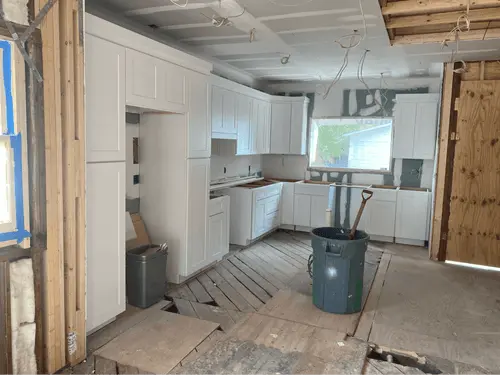
Remove all furniture, appliances, and personal items from the renovation zone. If you do not have enough room elsewhere in the house, consider renting a portable storage unit or an off-site storage locker for the duration of the project. Follow your project timeline to estimate how long you will need the extra space, and do not hesitate to extend the rental if the schedule shifts.
Protect Other Areas of Your Home
Construction generates dust, debris, and foot traffic that can damage areas you are not renovating. Take these precautions before work begins:
- Hang plastic sheeting to create a barrier between the renovation zone and the rest of your home.
- Use plastic wrap and painter's tape to seal off air vents in adjacent rooms.
- Protect wall corners with cardboard or painter's tape when workers will be moving materials through the house.
- Cover blinds and window treatments with drop cloths or plastic.
- Lay drop cloths over flooring in hallways and connecting rooms.
Plan for Kids and Pets
Construction zones are dangerous for curious children and pets. Establish clear boundaries before work starts. Brief your contractor about any kids and pets in the household, and let your family know what areas are off-limits during construction. If you have a dog that is sensitive to strangers, keep them leashed or in a separate area when workers are on-site. Designate a renovation-free zone where your family can retreat from the noise and dust during working hours.
Step 8 — Construction Phase: What to Expect
Once construction begins, the contractor and their crew take the lead. Your role shifts from planner to informed observer. The key during this phase is communication and documentation. On a whole-home remodel the phasing typically runs demo, then foundation and framing changes, then MEPs (mechanical, electrical, plumbing), then windows, doors, roof, then drywall and finishes. Trades are coordinated through a project-management platform like BuilderTrend, with weekly superintendent meetings to walk through what's been invoiced, what's coming up, and where the budget sits versus the estimate.
Monitor Progress
If you can be home during renovation, take advantage of the opportunity to watch progress firsthand. You will be able to see the work as it develops and address any concerns in real time. Know what needs to be demolished and what stays, because unnecessary demolition increases both project time and expenses.
If you are away during the day, give the contractor your phone number and establish a regular check-in schedule. Many contractors will send daily or weekly photo updates so you can follow along remotely.
Stay in Communication
Regular communication with your contractor keeps the project on track and prevents small misunderstandings from becoming expensive problems. Ask questions when something does not look right. Clarify expectations on material choices, finishes, and installation details. Keep a journal or notes app where you record observations, questions, and any information the crew shares with you during the day. This running log becomes invaluable during the final walkthrough.
Step 9 — Final Walkthrough and Cleanup
As the renovation wraps up, your contractor will handle the finishing details and clean up the work area. This is when your vision finally becomes real, but do not rush through the final steps.
Inspect the Work
Before you sign off on the project, walk through every completed area with your contractor. Check that all work matches the agreed-upon plans and specifications. Open cabinets, test fixtures, flip switches, and run water. Look at trim work, paint edges, tile grout lines, and flooring transitions. If anything is not right, now is the time to bring it up. A good contractor will address any punch list items promptly and professionally.
Document Everything
Pull out the journal you have been keeping throughout the project. Review your notes and make sure every question has been answered and every concern has been resolved. Take photos of the completed work for your records. Ask your contractor for copies of all permits, inspection reports, warranties on materials and labor, and any maintenance instructions for new fixtures or systems. This documentation protects you long after the crew has packed up and left.
Step 10 — Enjoy Your Newly Remodeled Home
You have earned it. Once the final walkthrough is complete and you are happy with the results, take a moment to appreciate what you have accomplished. Move your furniture back in, set up your space, and start enjoying your updated home.
Share photos of your new space on social media. Tell your friends and neighbors about the experience. And if your contractor did great work, leave them a review. Honest reviews help other homeowners make informed decisions, and they mean a lot to the contractors who take pride in their craft.
Will Your Home Remodel Increase Property Value?
One of the most common questions homeowners ask before starting a renovation is whether the investment will pay off. The answer depends on what you do, how well it is done, and how long you plan to stay in the home.
High-ROI Improvements
Certain renovation projects consistently deliver strong returns at resale. If increasing property value is a priority, focus your budget on these areas:
- Kitchen remodels — Updated kitchens are the number-one feature buyers look for. Even a modest kitchen refresh with new countertops, updated cabinets, and modern appliances can significantly boost your home's appeal.
- Bathroom upgrades — A clean, modern bathroom signals that a home has been well maintained. Walk-in showers, updated vanities, and quality tile work all add value.
- Energy-efficient windows — New windows reduce energy bills and improve curb appeal. In Florida, impact-rated windows also offer hurricane protection, which is a major selling point.
- Curb appeal improvements — Fresh exterior paint, updated landscaping, a new front door, and modern outdoor lighting create a strong first impression that increases perceived value.
You can also consider adding a home office, extra closet space, or a functional outdoor living area. For more ideas, check out our guide to home remodels that add value.
Staying vs. Selling — Different Strategies
Your renovation strategy should match your plans for the home. If you are going to live there for five or more years, you have more room to invest in personal preferences and comfort-driven upgrades, like a larger pantry, custom built-ins, or that dream master bathroom. You will recoup the cost over time through daily enjoyment.
If you plan to sell within the next few years, take a more strategic approach. Focus on functional, visible improvements that appeal to the broadest range of buyers. Skip highly personalized choices that only suit your taste. A neutral, well-finished kitchen remodel will do more for your resale price than an ultra-custom media room.
How Long Does a Whole Home Remodel Take?
A typical whole-home remodel in St. Pete takes four to six months from start to finish on the construction side, with another 2-4 months of pre-construction in front of that. That said, many projects take longer depending on the scope of work, permitting timelines, material availability, and unexpected issues discovered during construction. A typical timeline looks like: 1-3 weeks consultation, 3-5 weeks pricing, 4-12 weeks architect coordination, 4-6 weeks permit review, 1-week mobilization, then 4-6 months of build. Stamped architectural plans alone should be assumed to take three to six months for any project that needs structural review.
In Pinellas County, permitting timelines vary depending on the type of work and the current volume of applications at the St. Petersburg building department. Your contractor should factor permit review times into the overall schedule from the beginning. Weather can also play a role, particularly for exterior work during Florida's rainy season (June through September). An experienced Pinellas County contractor with 20+ in-house W-2 carpenters and four superintendents on staff can keep multiple jobs moving in parallel without sub-only paper-contractor schedule slips, and will build realistic buffer time into the schedule and keep you informed if the timeline shifts.
Every renovation is unique. The best way to get an accurate timeline for your specific project is to consult with a qualified general contractor who can assess the scope of work and provide a detailed estimate during the pre-construction phase.
Start Your St. Petersburg Home Remodel With Revolution Contractors
A successful home remodel starts with the right partner. Revolution Contractors is a general contractor based in St. Petersburg, FL using a design-build approach in partnership with independent architects and designers. We bring 20+ in-house W-2 carpenters, four superintendents, weekly budget reports, and the open-book 30% flat markup model with weekly budget reports against pre-construction estimates to every home remodel we take on. From the initial consultation through the final walkthrough, the priority is understanding your scope and delivering results on time and within the budget that 90-95% of line items were confirmed against during pre-construction.
We coordinate our 20+ W-2 carpenters on payroll with a trusted network of licensed trade partners and suppliers — most of whom we've worked with for years. The goal is to keep jobs moving without the schedule slips that come from paper-contractor outfits handing every line item to whoever's cheapest that week.
Serving St. Petersburg, Tierra Verde, Gulfport, Snell Isle, Old Northeast, Shore Acres, and all of Pinellas County. Contact us or call (727) 888-6161 to schedule a free consultation and take the first step toward the home you have been imagining.
Before you hire, make sure you are asking the right questions. Our guide to the 10 questions to ask before hiring a contractor walks through licensing, pricing, communication, and more — and our deep dive on T&M vs fixed-price contracts explains why the contract type matters more than most homeowners realize.